

Despina Mirou: The Dramatic Force Behind the Actress
-
- August 24, 2026

With roots in classical theater and an increasingly diverse international screen career, Despina Mirou has proven that her greatest strength may be her ability to completely surrender herself to a dramatic role.
There are actors who build careers by perfecting one recognizable persona. Despina Mirou has taken a very different path.
Throughout a career spanning theater, film and television, Mirou has continually sought transformation — moving between comedy and tragedy, historical figures and fictional characters, larger-than-life personalities and women whose stories demand vulnerability, restraint and emotional depth.
While audiences may recognize Mirou for her comedic abilities and extraordinary gift for impersonation, her career has always had another powerful dimension: dramatic acting.
And it may be the side of Despina Mirou that reveals the most about who she really is as an artist.
A Theatrical Actress at Heart
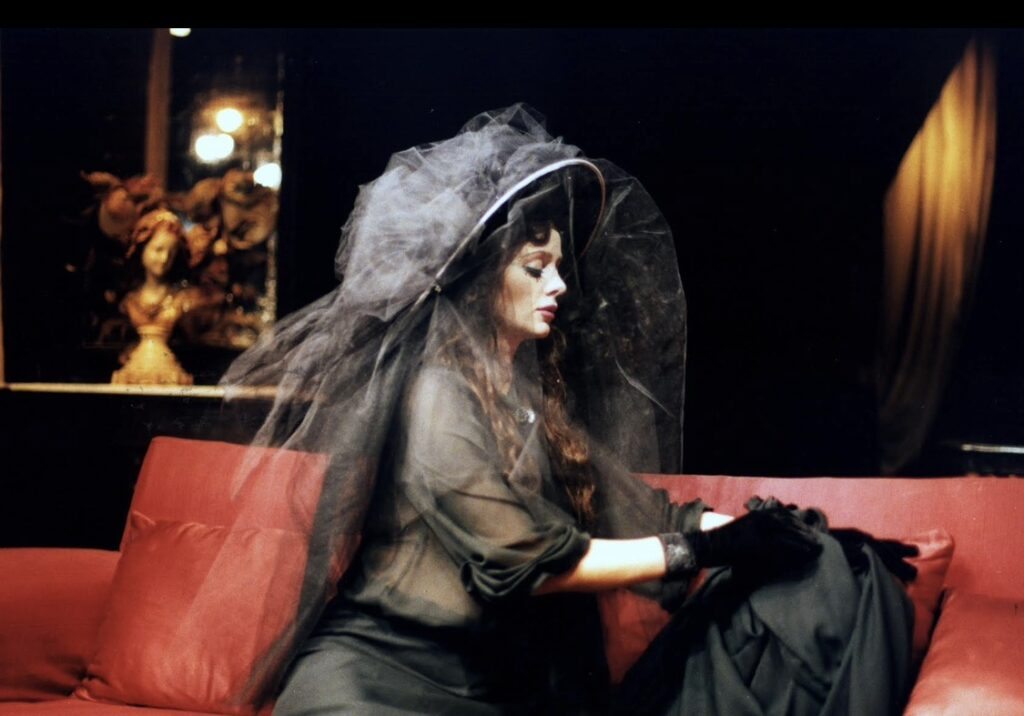
Mirou’s dramatic instincts were forged on the stage.
Her theatrical background includes work drawn from writers such as Anton Chekhov, Aeschylus, Jean Genet, Neil Simon and Nikos Kazantzakis, exposing her early in her career to material where character, language and emotional truth are everything.
She has performed roles including Sonya in Chekhov’s Uncle Vanya, Natalya Stepanovna in The Proposal, and Cassandra in an Off-Broadway production of Aeschylus’ Oresteia.
Those aren’t roles an actress can simply charm her way through.
They require discipline.
They require an understanding of tragedy, conflict, silence and emotional subtext — the things that separate performing lines from actually inhabiting another human being.
That theatrical foundation remains visible in Mirou’s screen performances today.

Drama Requires Courage
Great dramatic acting isn’t necessarily about crying, screaming or delivering an enormous monologue.
Sometimes it’s about doing almost nothing.
It’s holding a look for another second. Allowing silence to become uncomfortable. Letting an audience see something a character desperately doesn’t want anyone else to see.
Mirou understands that distinction.
Her performances can be physical and expressive, but beneath that theatricality is an actress willing to expose vulnerability. She can move from strength to fragility quickly, often allowing both qualities to exist within the same character.
That emotional contradiction makes dramatic characters interesting.
Real people aren’t simply strong or weak, heroic or damaged, confident or frightened.
They’re all of those things.
Mirou seems drawn to precisely those complications.

From European Theater to International Cinema
Her journey eventually carried her from European theater into international filmmaking, including an early experience working with acclaimed director Peter Bogdanovich on The Cat’s Meow.
Mirou continued developing her craft through extensive acting study, including work connected with the American theatrical tradition and a masterclass with Al Pacino.
It’s an unusual artistic combination.
There is something unmistakably European about Mirou’s approach to performance — a willingness to embrace theatricality, tragedy and heightened emotion — while her screen work increasingly demands the intimacy and restraint required by the camera.
Rather than choosing between those worlds, she’s learned to use both.
Finding the Woman Behind the Icon
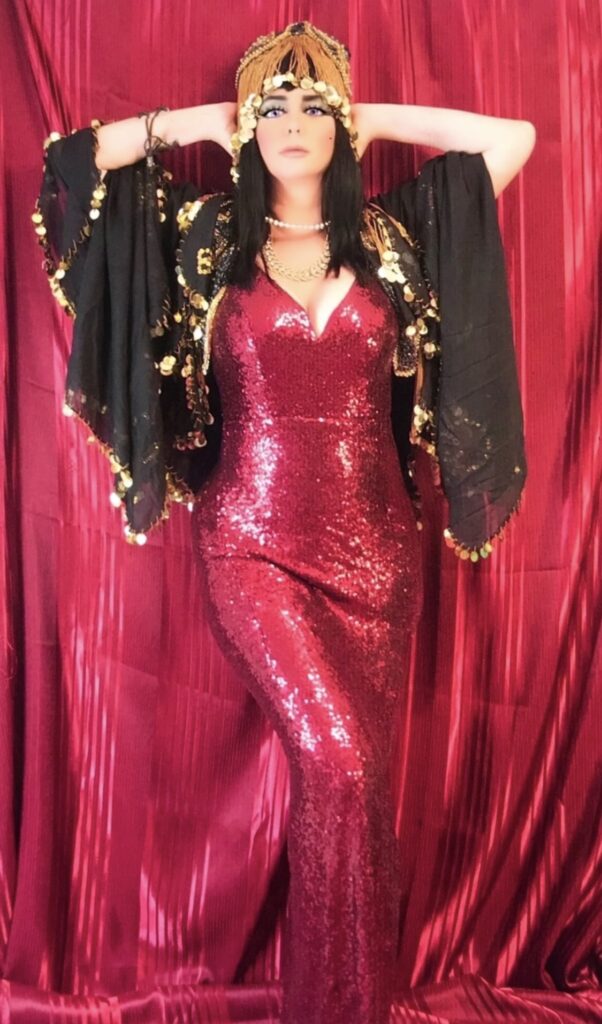
Some of Mirou’s most fascinating dramatic work has involved portraying women whose faces are already part of popular culture.
She has stepped into the worlds of Elizabeth Taylor, Sophia Loren, Ava Gardner and Marilyn Monroe.
Playing an icon is considerably harder than simply looking like one.
Audiences already have an idea of how Marilyn walks, how Elizabeth looks, how Sophia speaks or how Ava carries herself. An imitation might capture the surface, but dramatic acting has to go somewhere deeper.
The challenge is finding the woman underneath the legend.
What happens when the cameras disappear?
What frightened her?
What did she want?
Who was she when she wasn’t being watched?
Those are the questions that turn impersonation into acting, and they’re precisely where Mirou’s theatrical training becomes important.
Her transformations aren’t simply cosmetic. She searches for the emotional architecture of the women she portrays.
Refusing to Be Put in a Box
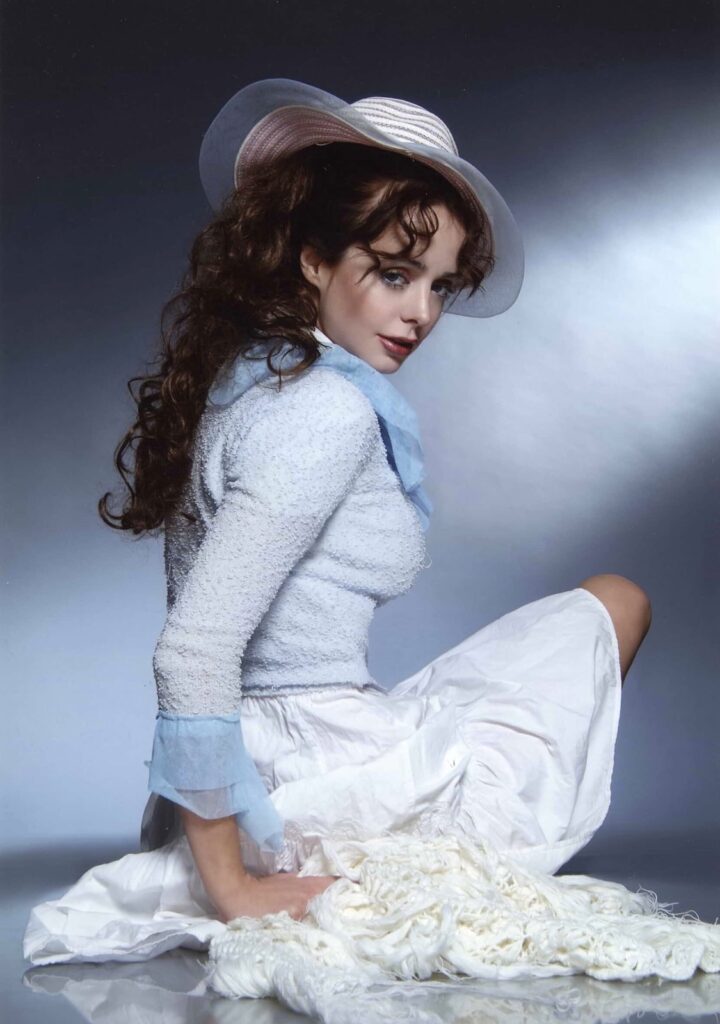
Perhaps the most interesting thing about Despina Mirou’s career is how difficult she is to categorize.
She’s a comedian who can play tragedy.
She’s a theatrical actress who works on camera.
She’s an impersonator capable of disappearing behind famous faces, yet she’s equally interested in creating characters from scratch.
That unpredictability is valuable.
Hollywood has always loved putting performers into boxes. Once an actress becomes known for comedy, she’s offered comedy. Once she’s identified with glamorous characters, she’s offered glamour.
Mirou has spent much of her career pushing against those limitations.
Her dramatic work demonstrates that beneath the humor and flamboyant public personality is a serious actress interested in difficult characters and emotionally demanding material.
The Power of Transformation
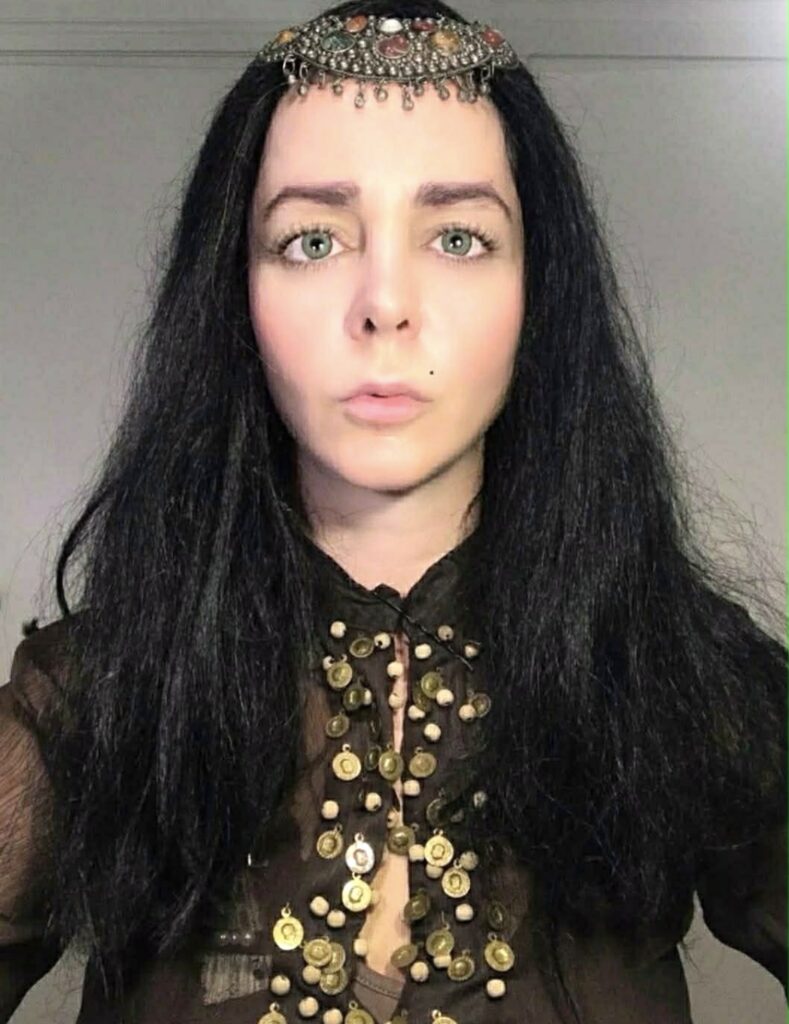
There is a moment every dramatic actor is chasing — the instant when an audience stops watching the performer and begins watching the character.
That’s transformation.
And transformation has become one of the defining threads running through Mirou’s career.
Whether she’s approaching classical theater, portraying a legendary Hollywood figure or stepping into an entirely fictional world, she appears willing to surrender the qualities audiences already associate with her.
That’s harder than it sounds.
Actors spend years becoming recognizable. The brave ones then spend their careers trying to disappear.
For Despina Mirou, dramatic acting offers exactly that opportunity.
Behind the comedy, glamour and unmistakable personality is an actress with deep theatrical roots — one who understands that the most memorable performances aren’t necessarily the loudest.
Sometimes they’re the ones where an actor becomes so completely absorbed by another person’s life that, for a few minutes, we forget who we’re watching.
And increasingly, that ability to disappear may be what defines Despina Mirou’s career as a dramatic actress.